Technology Is Transforming Property Management in Kenya Beyond Rent Collection
Discover how digital property management, smart metering, automated utility billing and payment reconciliation can help Kenyan property managers improve visibility, streamline operations and make better-informed decisions.
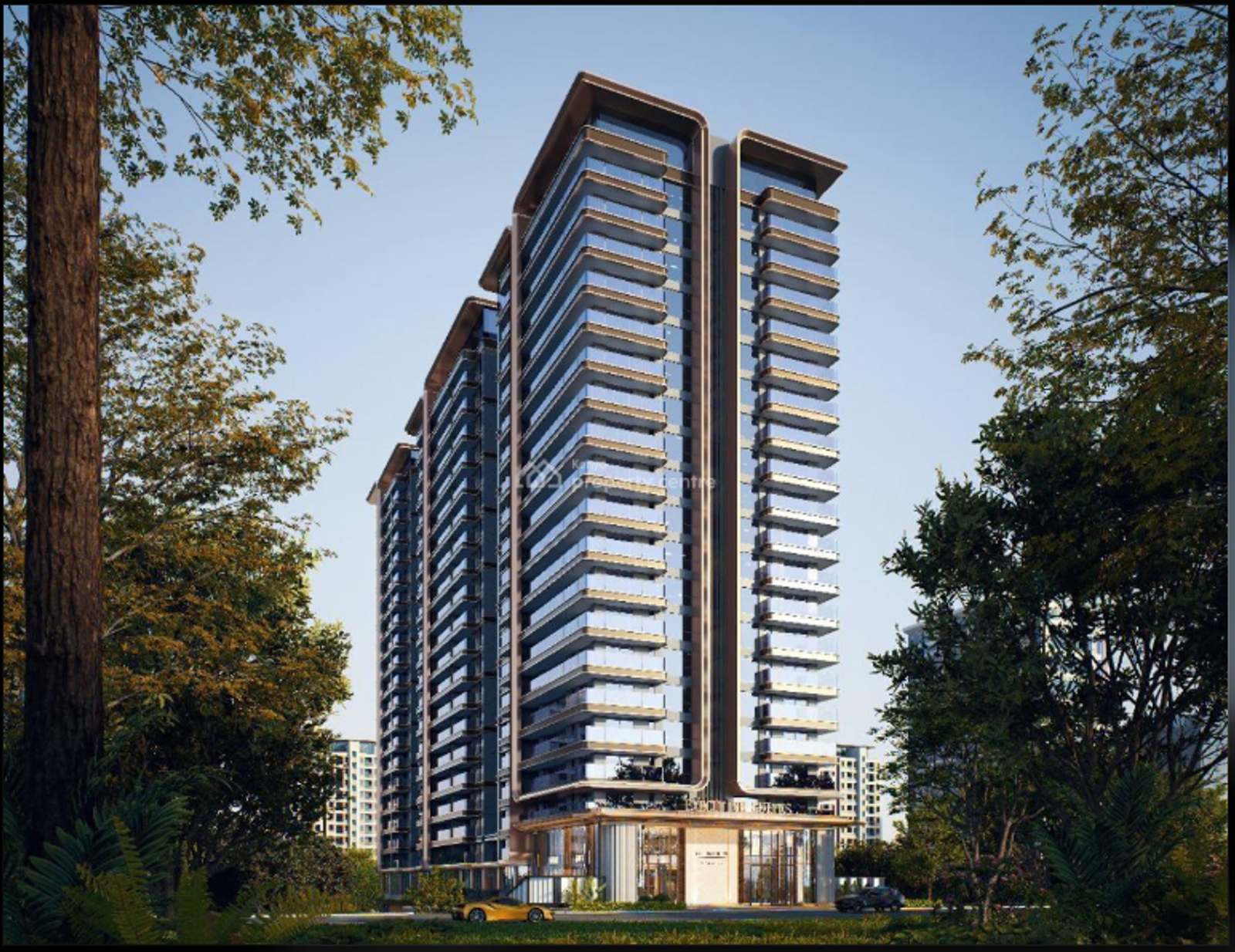
Beyond Rent Collection: How Technology Is Transforming Property Management in Kenya
Property management involves far more than collecting rent. For apartment owners, real estate developers, landlords and facility managers, running a property also means monitoring utility consumption, allocating costs, managing tenant accounts, reconciling payments and maintaining reliable operational records.
As property portfolios grow, these responsibilities become increasingly interconnected. Information that was once manageable through individual spreadsheets, paper records, meter readings and manual calculations can become difficult to coordinate across multiple buildings and tenants.
Technology offers a practical way to bring these activities together. From digital property records to smart metering, automated utility billing and consumption analytics, modern systems can help property managers gain better visibility into their operations and make more informed decisions.
For Kenya's evolving real estate sector, the opportunity is not simply to digitise existing paperwork. It is to build more transparent, efficient and data-informed property operations.
Kenya's Real Estate Sector and the Need for Better Information
Kenya's property sector continues to evolve alongside urban development, changing housing needs and investment in residential and commercial buildings.
The Kenya National Bureau of Statistics (KNBS), in its 2023–24 Real Estate Survey Report, reported a 33.7% increase in real estate sector output between 2019 and 2023. The report also highlighted the need for more consistent and comprehensive real estate market data.
This provides an important context for property management: as the sector develops, reliable information becomes increasingly valuable for understanding assets, tracking operations and supporting decisions.
Source: KNBS — 2023–24 Real Estate Survey Report.
The 2023/24 Kenya Housing Survey also examined housing conditions, affordability, access to utilities and household characteristics across Kenya. Its coverage demonstrates why housing and utility information matter when assessing the needs of residents and the built environment.
Source: KNBS — 2023/24 Kenya Housing Survey.
For property owners and managers, the practical question is how to translate operational information into decisions that improve the management of individual units and entire buildings.
1. Moving from Manual Records to Digital Property Management
Many property-management activities depend on information being recorded accurately and made available when needed.
Depending on the property's size and existing processes, managers may need to coordinate tenant details, unit occupancy, meter readings, utility charges, payment records, maintenance requests and outstanding balances.
When these records are maintained across disconnected spreadsheets, paper documents and messaging conversations, several challenges can arise:
- Fragmented information: Staff may need to consult multiple records to understand a tenant's account or a property's operational status.
- Repetitive work: The same information may be entered or updated in several places.
- Delayed reporting: Preparing an overview of occupancy, utility consumption or outstanding charges may require manual compilation.
- Limited historical visibility: Comparing current activity with previous months can be difficult when records are incomplete or inconsistently maintained.
- Coordination challenges: Property owners, managers and finance teams may work from different versions of the same information.
Digital property-management systems can help centralise relevant records, standardise workflows and make information easier to retrieve.
However, digitisation alone is not sufficient. The value depends on accurate data, clearly defined responsibilities, appropriate access controls and processes that staff can consistently follow.
2. Smart Metering: Understanding Utility Consumption at Unit Level
Water and electricity are important operational considerations in residential and commercial properties.
In multi-tenant buildings, property managers may need to understand how much electricity or water individual units consume, how shared facilities contribute to total usage, and how utility costs should be allocated.
Where suitable meters and supporting systems are installed, smart metering can provide more structured consumption information than manual readings alone.
Depending on the equipment and system configuration, smart metering may support:
- Recording consumption at individual units or designated points.
- Accessing readings without relying exclusively on manual collection.
- Comparing consumption across periods.
- Identifying unusual usage patterns that warrant investigation.
- Supporting more consistent utility billing.
- Improving visibility into how consumption changes over time.
Smart metering should not be confused with automatic leak detection or guaranteed real-time monitoring. Those capabilities depend on the meter, communication infrastructure, sensors and software deployed.
A useful Kenyan example is Britam Tower in Nairobi. IFSS Group describes implementing a building automation system that monitors and controls multiple building systems, including electrical, plumbing and HVAC infrastructure. Its published project account also describes the use of energy and utility data, reports and alerts to support operational efficiency.
Source: IFSS Group — Intelligent Building Automation at Britam Tower.
Although a building automation system is broader than a metering solution, this example illustrates how connected building information can support property operations.
3. Making Utility Billing More Transparent
Utility billing is an important link between consumption data and financial administration.
In a property with multiple tenants, managers need a clear method for determining the amount attributable to each unit. Depending on the building's arrangements, this may involve individual meter readings, agreed allocation rules, shared-area consumption and applicable tariffs.
Manual processes can make it difficult to identify where a calculation originated or to investigate a disagreement about a bill.
A structured digital billing process can help property managers:
- Retrieve the relevant meter readings.
- Apply the appropriate billing rules and rates.
- Calculate the charge attributable to each account.
- Generate a clear billing record.
- Track payment status and outstanding balances.
- Review adjustments and maintain an auditable history.
The underlying billing rules remain important. A digital platform cannot correct an inappropriate tariff, inaccurate meter reading or unclear agreement between a landlord and tenant without the necessary review and controls.
For this reason, property managers should prioritise systems that make the relationship between readings, charges and account records understandable.
Transparency benefits both sides. Managers gain a more structured administrative process, while tenants can receive clearer explanations of how utility charges were calculated.
4. Connecting Billing with Digital Payments
Recording a bill and confirming that it has been paid are separate activities.
A property manager may issue a utility charge, receive a mobile-money payment and still need to establish which account the payment belongs to, whether the amount matches the expected charge and whether the account has been settled.
Payment reconciliation brings these activities together.
An integrated utility-management workflow can help match payment information against billing records, identify unmatched transactions and highlight accounts requiring review.
Depending on the integrations available, digital payment workflows may support:
- Recording payments against the appropriate account.
- Tracking outstanding and settled charges.
- Identifying transactions that require manual verification.
- Producing summaries of collections and outstanding balances.
- Reducing repetitive entry across billing and payment records.
Integration does not automatically guarantee error-free reconciliation. Transaction references, account identifiers, payment confirmations, exception handling and secure access must all be managed appropriately.
For property managers overseeing several buildings, the objective is to establish a reliable connection between the amount billed, the payment received and the account balance that remains.
5. Using Data to Make Better Property Decisions
Digital systems can do more than store records. They can help transform operational information into useful reports.
Consider a property manager who wants to understand why water expenditure has increased over three months. Without consistent historical readings, investigating the change may involve searching for old bills, checking handwritten readings and contacting different staff members.
With organised consumption records, the manager can compare periods, examine individual units, investigate unusual patterns and determine whether further inspection is needed.
Useful operational indicators may include:
- Water and electricity consumption by unit.
- Consumption trends over time.
- Total utility charges and payments recorded.
- Outstanding balances by account.
- Unusual consumption patterns requiring investigation.
- Differences between expected and recorded collections.
These indicators do not independently establish the cause of a problem. For example, increased water consumption could reflect higher occupancy, a change in tenant behaviour, a leak or a meter-reading issue. The data helps narrow the investigation; it does not replace it.
Over time, consistent records can provide a stronger basis for maintenance planning, budgeting and discussions about operational performance.
6. Improving Resource Efficiency Through Monitoring
Water and energy management are closely connected to the operation of buildings.
Monitoring consumption can help managers understand how resources are used, identify changes that need attention and evaluate whether corrective actions have made a difference.
A property may, for example, compare water consumption before and after repairing a suspected leak. A commercial building may examine electricity usage across different operating periods to understand when demand is highest.
For such comparisons to be meaningful, managers should consider occupancy, operating hours, weather where relevant, meter accuracy and changes in the way the building is used.
Monitoring is therefore a starting point rather than a guarantee of savings. Improvements depend on what the data reveals, the actions taken and whether results are measured consistently.
For organisations pursuing broader building-efficiency objectives, the International Finance Corporation's EDGE programme provides a recognised framework for assessing resource efficiency in buildings.
Learn more: IFC EDGE — Excellence in Design for Greater Efficiencies.
For property owners, combining appropriate technology with maintenance practices and measurable efficiency objectives can support more informed resource management.
7. Choosing the Right Technology for a Property
Not every building requires the same level of digital infrastructure. A small residential property may need reliable tenant and payment records, while a large multi-building portfolio may require integrated metering, billing, remote monitoring and consolidated reporting.
Before choosing a solution, property owners and managers should consider the following factors.
Property size and complexity
Assess the number of buildings, units, meters, tenants and staff involved. Consider whether the system can accommodate future growth.
Meter compatibility
Confirm that the proposed software supports the existing meters or that the cost and feasibility of installing compatible equipment have been assessed.
Connectivity and monitoring requirements
Determine whether readings will be collected manually, transmitted periodically or made available remotely. Confirm the capabilities of the actual devices and communication infrastructure.
Billing and payment workflows
Understand how readings become charges, which rates apply, how payments are matched and how disputed transactions are handled.
Reporting requirements
Identify the information needed for daily operations, monthly reconciliation, budgeting and longer-term planning.
Integration with existing systems
Check whether the solution can work with relevant accounting, payment, communication or property-management systems without introducing unnecessary duplication.
Security and access controls
Establish who can view tenant information, change billing settings, access payment records and approve adjustments. Protect personal and financial information through appropriate technical and organisational safeguards.
Support and total cost of ownership
Evaluate implementation, hardware, connectivity, subscriptions, maintenance, training, support and future upgrades rather than comparing purchase prices alone.
A structured assessment helps ensure that technology addresses an actual operational need rather than adding another disconnected system.
8. How Integrated Utility Management Fits into the Picture
Property management and utility management overlap, but they are not identical.
A general property-management system may focus on leases, rent, tenant communication, maintenance and property records. A utility-management solution places additional emphasis on metering, consumption data, utility charges, payment reconciliation and related reporting.
Where these activities interact, integration can reduce the need to move information manually between separate processes.
For example, a connected workflow might follow this sequence:
Measure → Connect → Manage → Bill and collect → Understand
- Measure: Capture water or electricity consumption using appropriate meters.
- Connect: Transmit or consolidate readings and related account information.
- Manage: Organise meters, properties, tenants and utility accounts.
- Bill and collect: Calculate charges, record bills and reconcile payments.
- Understand: Review reports, compare consumption and identify issues that require action.
The exact workflow depends on the hardware, software, integrations and configuration available. A property manager should verify these capabilities before selecting a platform.
How Utilora Supports Technology-Enabled Utility Management
Utilora Technologies focuses on connected utility-management capabilities that help organisations manage metering, accounts, billing, payments and consumption information.
Its product ecosystem is organised around complementary functions:
Utilora Meter
Supports the metering side of utility management, covering electricity, water and other applicable metering requirements.
Utilora Hub
Provides the property, tenant, meter and account-management layer of the ecosystem.
Utilora Pay
Addresses utility billing and mobile-money payment reconciliation.
Utilora Insight
Focuses on consumption analytics, dashboards and reporting to support better-informed operational decisions.
Utilora IoT
Addresses connected monitoring and alerts for applicable utility-management use cases.
Together, these product areas reflect an approach to utility management that connects consumption information with the administrative and financial activities that follow.
Property owners, developers and facility managers considering a digital utility-management solution should assess their specific requirements, existing infrastructure and integration needs to determine which capabilities are appropriate for their buildings.
Explore the relevant Utilora solutions or contact the Utilora Technologies team to discuss your utility-management requirements.
Conclusion: Build Better Property Operations with Better Information
The future of property management is not defined by the number of digital tools a building uses. It is defined by how effectively those tools help people manage assets, understand consumption, administer charges and make decisions.
For property owners and managers in Kenya, a practical starting point is to identify the processes that create the most uncertainty or repetitive work. These might include manual meter readings, unclear utility bills, delayed payment reconciliation or limited visibility into historical consumption.
From there, organisations can evaluate appropriate digital tools, establish reliable operating procedures and gradually connect the information needed to manage their properties more effectively.
When metering, account management, billing, payments and reporting work together, property teams have a clearer foundation for day-to-day operations and long-term planning.
Better property management starts with better visibility into how a property operates.
References and further reading
- Kenya National Bureau of Statistics (KNBS). 2023–24 Real Estate Survey Report. https://www.knbs.or.ke/reports/2023-24-real-estate-survey-report/
- Kenya National Bureau of Statistics (KNBS). 2023/24 Kenya Housing Survey — Basic Report. https://www.knbs.or.ke/reports/2023-24-kenya-housing-survey-basic-report/
- IFSS Group. Intelligent Building Automation at Britam Tower, Nairobi, Kenya. https://www.ifssgroup.com/project/britam-tower/
- International Finance Corporation (IFC). EDGE Buildings. https://edgebuildings.com/